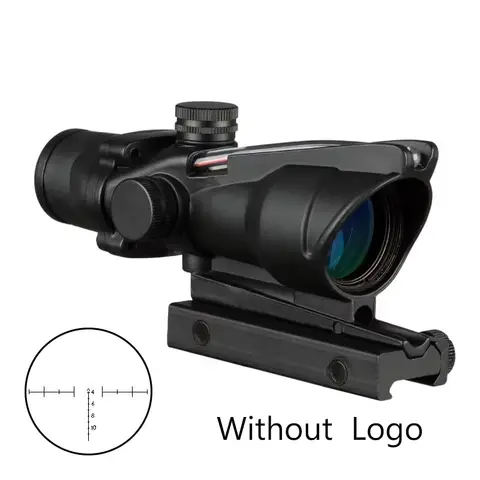
The
best sniper scopes on the market offer a combination of precision, durability, and advanced optical features that cater to both professional marksmen and serious hobbyists. When choosing a
sniper scope, it's essential to consider factors such as magnification range, objective lens size, reticle type, and compatibility with your rifle. This guide provides a detailed overview of key considerations, real-world applications, and a comparison of top-performing models to help you make an informed decision. When users search for
sniper scopes, the primary search intent is typically informational or transactional, with individuals looking to understand the features of sniper scopes or to purchase one that suits their needs. This intent is closely tied to the practical application of sniper scopes in long-range shooting, hunting, or tactical training. A sniper scope is not just a magnifying lens—it is a precision instrument designed to enhance accuracy and performance in critical shooting scenarios. To choose the
best sniper scope for your needs, start by identifying your specific use case. For example, if you're a long-range hunter in open terrain, you may prioritize a scope with a high magnification range and a large objective lens for light gathering. Here's how to approach the selection process:
- Define your shooting environment and target distance
- Identify the type of reticle and magnification range you need
- Check compatibility with your rifle and mounting system
- Consider additional features like windage and elevation adjustments
- Review user feedback and expert evaluations for reliability and performance
To better understand the terminology and features associated with sniper scopes, here are some key definitions:
- Sniper Riflescope
- A high-precision optical device mounted on a rifle to assist in long-range shooting, typically featuring adjustable magnification and specialized reticles.
- Sniper Spotting Scope
- A non-firing optical tool used to observe and track targets at long distances, often used in conjunction with a rifle scope for spotting and adjusting shots.
- Thermal Scope
- A type of sniper scope that detects heat signatures, allowing for target identification in low-light or no-light conditions.
- 4x80 Sniper Scope
- A fixed magnification scope with 4x power and an 80mm objective lens, ideal for medium-range shooting in daylight conditions.
When comparing sniper scopes, it's helpful to look at key specifications. Below is a comparison of three popular models:
| Model | Magnification | Objective Lens | Reticle Type | Weight | Price Range |
| Leupold Mark 4 | 5.5-22x | 56mm | MR/T | 1.2 lbs | $1,200–$1,500 |
| Zeiss Conquest 6.5-20x50 | 6.5-20x | 50mm | 4-Point Illuminated | 1.1 lbs | $900–$1,100 |
| Steiner H5i 3-15x50 | 3-15x | 50mm | Ballistic H5i | 1.3 lbs | $1,300–$1,600 |
When considering related products, it's important to explore options like
sniper spotting scopes, which are essential for long-range observation, and
sniper thermal scopes, which provide visibility in complete darkness. Models such as the
best sniper scopes from brands like Leupold, Zeiss, and Steiner are often recommended for their reliability and performance. For those interested in sniper scope 4x80 models, these are ideal for daylight hunting and tactical training. Additionally,
sniper brand scopes like those from Vortex and Bushnell offer excellent value for budget-conscious shooters. Whether you're looking for a
rifle scope sniper or a
sniper optic scope, it's crucial to match the scope to your specific shooting needs and rifle setup.