







Results for smartthings plug
SmartThings Plug is a smart home device designed to bring remote control, automation, and energy monitoring to everyday electrical appliances, enabling seamless integration with major voice assistants and smart home ecosystems. Whether you're looking to control lights, fans, or small appliances from your smartphone or via voice commands, the SmartThings Plug offers reliable, secure, and energy-efficient smart power management.
The search intent behind smartthings plug typically reflects a user seeking a smart outlet that supports remote control, voice assistant integration, and automation features—especially within the Samsung SmartThings ecosystem. Users often want to transform ordinary devices into smart ones without replacing them, and they value compatibility with platforms like Alexa, Google Assistant, and Apple HomeKit. Additionally, many are interested in energy monitoring, scheduling, and geofencing capabilities to enhance convenience and reduce electricity waste.
For users considering a SmartThings-compatible plug, it’s crucial to verify Wi-Fi band support—most models only work with 2.4 GHz, not 5 GHz, which can cause connectivity issues if your router isn’t properly configured. Always ensure your plug is CE, FCC, and RoHS certified for safety and regulatory compliance.
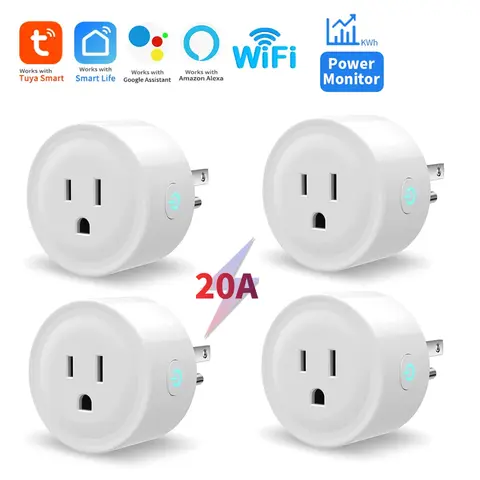
Recommended models include the Tuya Smart Socket (16A, 100–240V), which supports remote control, energy monitoring, and voice commands via Alexa and Google Assistant, and the CENFAYA Matter-compatible RGB Controller, ideal for users who want Apple HomeKit and Matter support for future-proofing their smart home. Avoid devices with no energy monitoring or poor Wi-Fi range—these often lead to unreliable performance.
Always choose plugs with plastic housing, rated voltage of 100–240V, and 16A capacity for safe operation with high-power devices. For outdoor or wet environments, ensure the product is rated for indoor use only unless explicitly stated otherwise.
The search intent behind smartthings plug typically reflects a user seeking a smart outlet that supports remote control, voice assistant integration, and automation features—especially within the Samsung SmartThings ecosystem. Users often want to transform ordinary devices into smart ones without replacing them, and they value compatibility with platforms like Alexa, Google Assistant, and Apple HomeKit. Additionally, many are interested in energy monitoring, scheduling, and geofencing capabilities to enhance convenience and reduce electricity waste.
- Smart Plug
- A wireless electrical outlet that connects to your home Wi-Fi network, allowing remote on/off control, scheduling, and integration with smart home systems.
- Energy Monitoring
- A feature that tracks the power consumption of connected devices in real time, helping users identify energy hogs and reduce electricity bills.
- Matter Protocol
- A universal smart home standard that ensures cross-platform compatibility between devices from different brands, including Apple, Google, and Amazon.
For users considering a SmartThings-compatible plug, it’s crucial to verify Wi-Fi band support—most models only work with 2.4 GHz, not 5 GHz, which can cause connectivity issues if your router isn’t properly configured. Always ensure your plug is CE, FCC, and RoHS certified for safety and regulatory compliance.
- Check your router’s 2.4 GHz network is active and stable.
- Download the official SmartThings app and create an account.
- Power on the plug and press the pairing button until the LED blinks.
- Follow the app’s guided setup to connect the plug to your Wi-Fi.
- Assign a name to the plug and add it to routines (e.g., “Turn on living room lamp at sunset”).
Recommended models include the Tuya Smart Socket (16A, 100–240V), which supports remote control, energy monitoring, and voice commands via Alexa and Google Assistant, and the CENFAYA Matter-compatible RGB Controller, ideal for users who want Apple HomeKit and Matter support for future-proofing their smart home. Avoid devices with no energy monitoring or poor Wi-Fi range—these often lead to unreliable performance.
Always choose plugs with plastic housing, rated voltage of 100–240V, and 16A capacity for safe operation with high-power devices. For outdoor or wet environments, ensure the product is rated for indoor use only unless explicitly stated otherwise.