
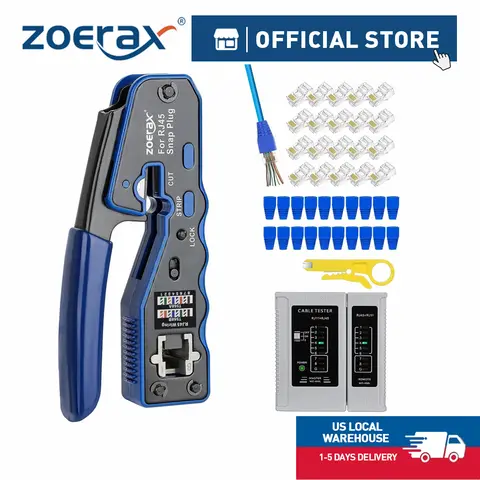





Results for network tool
Network Tool: A Comprehensive Overview
In the field of network engineering and system administration, the term network tool encompasses a wide range of devices and software applications designed to monitor, manage, and optimize network performance. These tools are essential for maintaining the stability, security, and efficiency of both small-scale and large-scale network infrastructures. Whether used in corporate environments, educational institutions, or home networks, network tools play a critical role in diagnosing issues, analyzing traffic patterns, and ensuring seamless connectivity. A network tool can take many forms, including hardware devices such as network analyzers, packet sniffers, and switch analyzers, as well as software solutions like network monitoring platforms, traffic analyzers, and configuration management tools. These tools are often used in conjunction with other related_keywords such as network analyzers, traffic monitoring systems, and bandwidth management solutions. The integration of these related_keywords into a cohesive network strategy allows for more accurate data collection and analysis, which in turn supports better decision-making. One of the key advantages of using network tools is their ability to provide real-time insights into network behavior. This capability is especially valuable in dynamic environments where network conditions can change rapidly. For example, network performance tools can help identify bottlenecks, detect anomalies, and optimize resource allocation. Additionally, many network tools offer customizable settings, allowing users to tailor their configurations to specific network requirements. On platforms such as AliExpress, network tools are available at competitive prices, making them accessible to a wide range of users. These products often come with detailed technical specifications, ensuring that buyers can make informed purchasing decisions. The variety of network tools offered on AliExpress includes both entry-level and advanced models, catering to different skill levels and application needs. FAQ: Frequently Asked Questions about Network Tools
Q: What are the main functions of a network tool?
A: A network tool is primarily used for monitoring network traffic, diagnosing connectivity issues, and analyzing system performance. It can also help in configuring network devices and managing security protocols. Q: How can I choose the right network tool for my needs?
A: Consider the type of network you are working with, the level of detail required, and the compatibility of the tool with your existing infrastructure. Tools that support related_keywords such as traffic analysis and bandwidth management can offer more comprehensive functionality. Q: Are network tools suitable for both personal and professional use?
A: Yes, many network tools are versatile and can be used in both personal and professional settings. They are particularly useful for users who need to manage home networks or small business networks.
In the field of network engineering and system administration, the term network tool encompasses a wide range of devices and software applications designed to monitor, manage, and optimize network performance. These tools are essential for maintaining the stability, security, and efficiency of both small-scale and large-scale network infrastructures. Whether used in corporate environments, educational institutions, or home networks, network tools play a critical role in diagnosing issues, analyzing traffic patterns, and ensuring seamless connectivity. A network tool can take many forms, including hardware devices such as network analyzers, packet sniffers, and switch analyzers, as well as software solutions like network monitoring platforms, traffic analyzers, and configuration management tools. These tools are often used in conjunction with other related_keywords such as network analyzers, traffic monitoring systems, and bandwidth management solutions. The integration of these related_keywords into a cohesive network strategy allows for more accurate data collection and analysis, which in turn supports better decision-making. One of the key advantages of using network tools is their ability to provide real-time insights into network behavior. This capability is especially valuable in dynamic environments where network conditions can change rapidly. For example, network performance tools can help identify bottlenecks, detect anomalies, and optimize resource allocation. Additionally, many network tools offer customizable settings, allowing users to tailor their configurations to specific network requirements. On platforms such as AliExpress, network tools are available at competitive prices, making them accessible to a wide range of users. These products often come with detailed technical specifications, ensuring that buyers can make informed purchasing decisions. The variety of network tools offered on AliExpress includes both entry-level and advanced models, catering to different skill levels and application needs. FAQ: Frequently Asked Questions about Network Tools
Q: What are the main functions of a network tool?
A: A network tool is primarily used for monitoring network traffic, diagnosing connectivity issues, and analyzing system performance. It can also help in configuring network devices and managing security protocols. Q: How can I choose the right network tool for my needs?
A: Consider the type of network you are working with, the level of detail required, and the compatibility of the tool with your existing infrastructure. Tools that support related_keywords such as traffic analysis and bandwidth management can offer more comprehensive functionality. Q: Are network tools suitable for both personal and professional use?
A: Yes, many network tools are versatile and can be used in both personal and professional settings. They are particularly useful for users who need to manage home networks or small business networks.
High-performance network tool for seamless connectivity and advanced troubleshooting!
In today’s fast-paced digital world, the need for reliable and efficient network tools has never been more critical. Whether you are a network administrator, a tech enthusiast, or a business owner looking to optimize your internal systems, the concept of a network tool plays a foundational role in ensuring seamless communication and data transfer across devices and networks. A network tool is a software or hardware device designed to monitor, manage, or enhance the performance of a network. These tools are essential in both small-scale and large-scale environments, offering a wide range of functionalities that support network stability, security, and scalability. One of the most significant advantages of using a network tool is its ability to provide real-time insights into network performance. For instance, tools like network analyzers, traffic monitors, and bandwidth analyzers allow users to track data flow, identify bottlenecks, and optimize resource allocation. These capabilities are particularly important in environments where network reliability is paramount, such as in data centers, corporate offices, or even home setups that rely on high-speed internet for daily operations. In the context of network tool selection, it is crucial to consider the specific requirements of your network environment. Some network tools are designed for advanced troubleshooting, while others focus on basic connectivity and performance monitoring. For example, a network tool that includes packet sniffing capabilities may be more suitable for diagnosing complex network issues, whereas a simpler network tool might suffice for routine maintenance tasks. Understanding the purpose and features of a network tool is essential in making an informed decision that aligns with your operational needs. Another key aspect of network tool usage is its integration with other network components. Many modern network tools are designed to work in conjunction with routers, switches, and firewalls, allowing for a more cohesive and secure network architecture. This integration is particularly beneficial for users who are looking to implement a comprehensive network management strategy. For instance, a network tool that supports API integration can be used to automate network configurations and streamline administrative tasks, reducing the risk of human error and improving overall efficiency. The network tool market has also seen a surge in the availability of both hardware and software solutions, catering to a wide range of users. From basic network diagnostic tools to advanced network monitoring systems, there is a network tool for nearly every need. This diversity in options allows users to choose a network tool that best fits their budget, technical expertise, and specific requirements. Moreover, many network tools offer customizable features, enabling users to tailor their network management experience according to their unique needs. In addition to functionality, the ease of use and user-friendly interface of a network tool are important considerations. A well-designed network tool should provide clear visual representations of network data, making it easier for users to interpret and act upon the information. For example, a network tool with a graphical user interface (GUI) can help users quickly identify network issues without requiring extensive technical knowledge. This accessibility is particularly valuable for small businesses or individuals who may not have dedicated IT support. The role of network tool in enhancing network security cannot be overstated. Many network tools include features such as intrusion detection, firewall integration, and vulnerability scanning, which help in identifying and mitigating potential security threats. These tools are essential in protecting sensitive data and ensuring compliance with industry standards and regulations. For instance, a network tool that supports real-time threat detection can alert users to suspicious activities, allowing them to take immediate action to prevent data breaches or unauthorized access. When selecting a network tool, it is also important to consider its compatibility with existing network infrastructure. A network tool that is not compatible with your current hardware or software may lead to performance issues or even system failures. Therefore, it is advisable to choose a network tool that is designed to work with your specific network environment. This compatibility ensures that the network tool can be seamlessly integrated into your existing setup, maximizing its effectiveness and minimizing potential disruptions. In the context of network tool procurement, the availability of support and documentation is another important factor. A network tool that comes with comprehensive user guides, technical support, and regular updates can significantly enhance the user experience. These resources are particularly valuable for users who are new to network management or who encounter unexpected challenges while using the network tool. Additionally, a network tool with an active community or forum can provide valuable insights and troubleshooting assistance from other users. The network tool market is also influenced by emerging technologies such as cloud computing, IoT (Internet of Things), and AI-driven analytics. These advancements have led to the development of more sophisticated network tools that can handle complex network environments and provide predictive insights. For example, AI-powered network tools can analyze historical data to predict potential network failures, allowing users to take proactive measures to prevent downtime. This integration of advanced technologies into network tools is reshaping the way networks are managed and optimized. In conclusion, the importance of network tool in modern connectivity cannot be overstated. Whether you are managing a small home network or a large enterprise infrastructure, the right network tool can significantly enhance performance, security, and efficiency. As the demand for reliable and high-performing networks continues to grow, the role of network tool will only become more critical. By understanding the features, benefits, and applications of a network tool, users can make informed decisions that align with their specific needs and goals. FAQ: Frequently Asked Questions About Network Tools
Q1: What is a network tool and how does it work?
A network tool is a software or hardware device designed to monitor, manage, or enhance the performance of a network. It works by analyzing data packets, tracking network traffic, and providing insights into network behavior. Depending on the type of network tool, it may offer features such as packet sniffing, bandwidth monitoring, or security scanning. Q2: What are the different types of network tools available?
There are various types of network tools, including network analyzers, traffic monitors, bandwidth analyzers, and security tools. Each type serves a specific purpose, such as diagnosing network issues, optimizing performance, or enhancing security. Q3: How can a network tool improve network performance?
A network tool can improve network performance by identifying bottlenecks, optimizing resource allocation, and providing real-time insights into network activity. These capabilities help in ensuring smooth and efficient data transfer across the network. Q4: Are there any security features in network tools?
Yes, many network tools include security features such as intrusion detection, firewall integration, and vulnerability scanning. These features help in identifying and mitigating potential security threats, ensuring the safety of the network and its data. Q5: Can network tools be used for both small and large networks?
Yes, network tools are available in various forms to suit different network sizes. From basic diagnostic tools for small home networks to advanced monitoring systems for large enterprise environments, there is a network tool for every need. Q6: How do I choose the right network tool for my needs?
When choosing a network tool, consider factors such as functionality, ease of use, compatibility with your existing infrastructure, and the availability of support and documentation. Selecting the right network tool ensures that it meets your specific requirements and enhances your network management capabilities. Q7: Are there any related keywords I should be aware of when searching for network tools?
Yes, related keywords such as network monitoring tools, network diagnostic tools, and network performance tools can help in finding more specific and relevant network tool options. These keywords often appear in searches related to network management and optimization. Q8: How do I ensure that a network tool is compatible with my existing network setup?
To ensure compatibility, check the specifications of the network tool and verify that it supports your current hardware and software. Additionally, look for tools that offer integration with your existing network components, such as routers and switches. Q9: What are the benefits of using a network tool with AI or cloud integration?
Network tools with AI or cloud integration offer advanced features such as predictive analytics, real-time monitoring, and scalable performance. These capabilities allow for more efficient network management and can help in identifying potential issues before they occur. Q10: Can network tools help in reducing network downtime?
Yes, by providing real-time insights and predictive analytics, network tools can help in identifying and resolving potential issues before they lead to downtime. This proactive approach ensures a more stable and reliable network environment.
See more details about network tool in AliExpress Video Page.
Q1: What is a network tool and how does it work?
A network tool is a software or hardware device designed to monitor, manage, or enhance the performance of a network. It works by analyzing data packets, tracking network traffic, and providing insights into network behavior. Depending on the type of network tool, it may offer features such as packet sniffing, bandwidth monitoring, or security scanning. Q2: What are the different types of network tools available?
There are various types of network tools, including network analyzers, traffic monitors, bandwidth analyzers, and security tools. Each type serves a specific purpose, such as diagnosing network issues, optimizing performance, or enhancing security. Q3: How can a network tool improve network performance?
A network tool can improve network performance by identifying bottlenecks, optimizing resource allocation, and providing real-time insights into network activity. These capabilities help in ensuring smooth and efficient data transfer across the network. Q4: Are there any security features in network tools?
Yes, many network tools include security features such as intrusion detection, firewall integration, and vulnerability scanning. These features help in identifying and mitigating potential security threats, ensuring the safety of the network and its data. Q5: Can network tools be used for both small and large networks?
Yes, network tools are available in various forms to suit different network sizes. From basic diagnostic tools for small home networks to advanced monitoring systems for large enterprise environments, there is a network tool for every need. Q6: How do I choose the right network tool for my needs?
When choosing a network tool, consider factors such as functionality, ease of use, compatibility with your existing infrastructure, and the availability of support and documentation. Selecting the right network tool ensures that it meets your specific requirements and enhances your network management capabilities. Q7: Are there any related keywords I should be aware of when searching for network tools?
Yes, related keywords such as network monitoring tools, network diagnostic tools, and network performance tools can help in finding more specific and relevant network tool options. These keywords often appear in searches related to network management and optimization. Q8: How do I ensure that a network tool is compatible with my existing network setup?
To ensure compatibility, check the specifications of the network tool and verify that it supports your current hardware and software. Additionally, look for tools that offer integration with your existing network components, such as routers and switches. Q9: What are the benefits of using a network tool with AI or cloud integration?
Network tools with AI or cloud integration offer advanced features such as predictive analytics, real-time monitoring, and scalable performance. These capabilities allow for more efficient network management and can help in identifying potential issues before they occur. Q10: Can network tools help in reducing network downtime?
Yes, by providing real-time insights and predictive analytics, network tools can help in identifying and resolving potential issues before they lead to downtime. This proactive approach ensures a more stable and reliable network environment.
See more details about network tool in AliExpress Video Page.